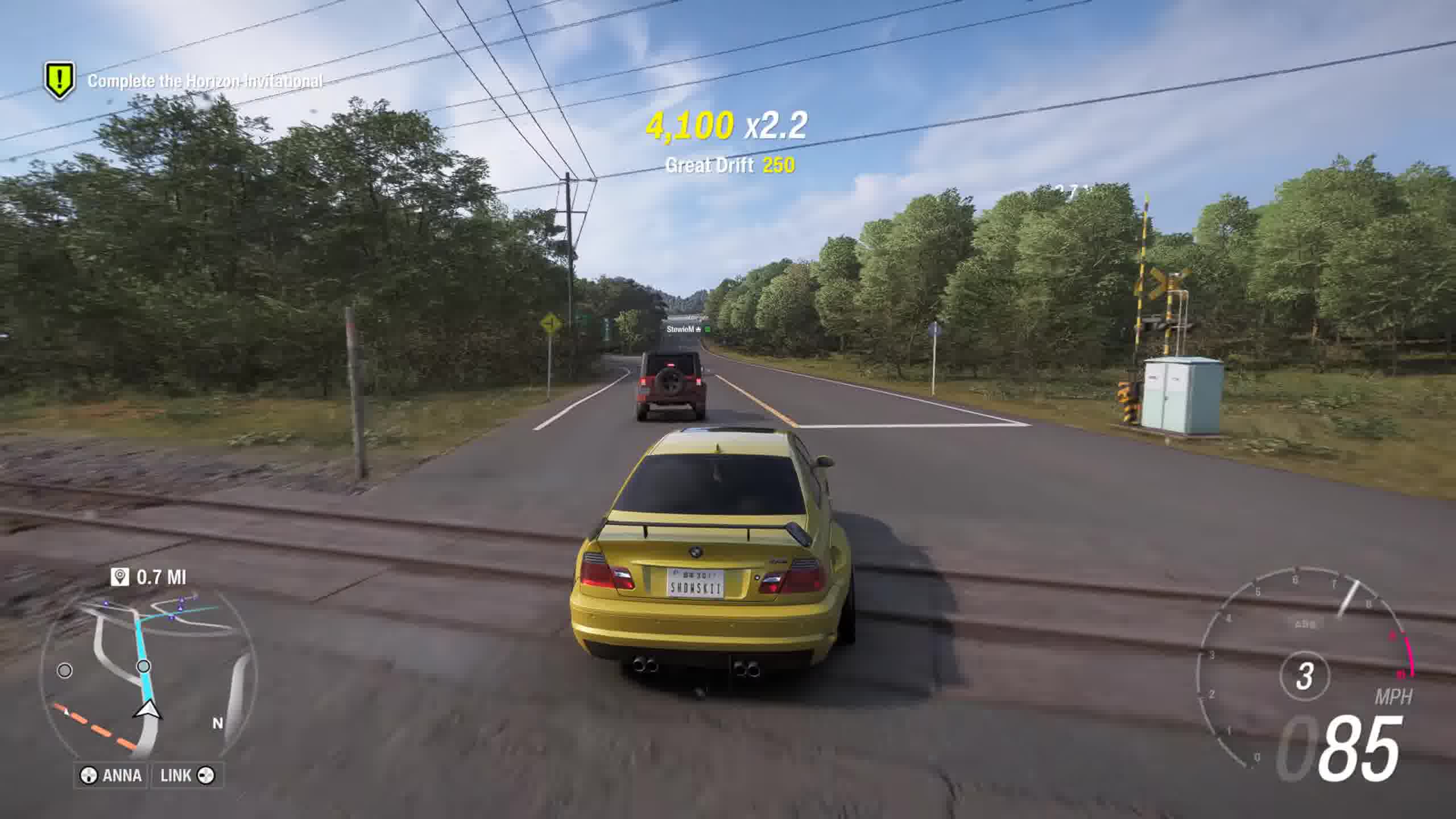
Complete Drift Build & Tune Guide in Forza Horizon 6 (Step-by-Step)
In this breakdown, we’ll recreate a full drift setup process similar to what top tuners use in Forza Horizon 6, using an R34-style platform as the reference build. The goal is simple: convert almost any car into a controllable, repeatable drift machine—without overcomplicating the setup or over-relying on extreme horsepower.
1. Drift Build Philosophy (Before You Upgrade Anything)
A good drift build is not about maximum power. It’s about controllable slip angle, predictable weight transfer, and throttle-modulated rotation.
Key principles:
- Moderate horsepower (not maxed)
- Rear-wheel drive conversion
- Low-grip tire selection
- Balanced chassis stiffness (not fully soft or rigid)
- Gear tuning based on real RPM behavior
This matters more than raw upgrades or even spending additional in-game progression resources like Forza Horizon 6 Credits.
2. Example Build Overview (R34 Drift Setup)
Core Upgrade Summary
| Category | Choice | Purpose |
| Engine Swap | None | Maintain torque curve consistency |
| Turbo | Single Turbo | Linear boost delivery |
| Drivetrain | RWD Swap | Required for controlled drifting |
| Aero | Optional wing | Stability at angle |
| Weight Reduction | Yes | Improves transition speed |
Tire & Wheel Setup
| Component | Choice | Reason |
| Tire Compound | Stock or Snow | Lowest grip available |
| Front Tire Width | 285 mm | Steering balance |
| Rear Tire Width | 295 mm | Slight traction buffer |
| Wheel Size | 19” | Stability + aesthetics |
Grip Logic (Important Concept)
Lower grip = easier initiation
Higher grip = more stability but harder angle control
Snow tires often outperform drift tires in low-grip tuning because of their reduced traction coefficient.
3. Full Upgrade Breakdown Table
| System | Upgrade Level |
| Brakes | Race |
| Suspension | Drift Springs + Dampers |
| Anti-Roll Bars | Adjustable (soft-mid range) |
| Transmission | Race 6-Speed |
| Differential | Drift Differential |
| Weight Reduction | Stage 1–3 |
| Engine Parts | Mostly maxed (balanced build) |
4. Tune Settings (Core Drift Calibration)
Tire Pressure
| Axle | Setting |
| Front | Default / Slightly higher |
| Rear | Lowest possible |
Lower rear pressure increases slip consistency and helps maintain drift angle without sudden traction spikes.
Alignment Settings
| Parameter | Front | Rear |
| Camber | -5.0 | -1.0 |
| Toe | +1.0 | -0.1 to -0.2 |
| Caster | Max | N/A |
This setup prioritizes:
- Fast steering response
- Stable counter-steer behavior
- Predictable rear slide
Suspension & Handling
| Setting | Value Range |
| Anti-roll bars | Mid-soft (not fully soft) |
| Springs | ~400 (balanced) |
| Dampers | Symmetrical moderate values |
Unlike “Formula Drift-style” setups that go ultra-soft, this configuration preserves chassis feedback, which improves tandem control.
Aero & Brakes
- Aero: Slight front bias toward cornering stability
- Brake balance: ~70% front
Why 70% front brake bias matters:
- Allows controlled deceleration mid-drift
- Enables tandem braking transitions
- Prevents rear lock instability
Differential Setup
| Parameter | Value |
| Acceleration | 100% |
| Deceleration | ~10% |
This ensures:
- Immediate rear wheel response
- Continuous drift under throttle
- Stable exit control
5. Gear Tuning Method (Most Important Part)
This is where most drift builds fail or succeed.
Target Behavior Rule
You want RPM in your drift gear to:
- Reach near redline
- But NOT bounce off limiter
Gear Test Results Example
| Final Drive | Result |
| 3.53 | Slightly short (under-rev) |
| 3.60 | Optimal redline hover |
| 3.70+ | Over-rev / limiter bounce |
Final Gear Logic
- Main drift gear: 4th
- Faster corners: 5th
- Tight corners: 3rd
This creates a flexible drift range without constant retuning per track.
6. Build Behavior Summary
After tuning, the expected behavior is:
- Smooth initiation in 2nd–3rd gear
- Stable mid-angle control in 4th
- Predictable throttle response under load
- Easy tandem capability due to brake bias and suspension stiffness
This type of setup is designed for repeatability, not just flashy angle spikes.
7. Progression Considerations
If you’re building multiple drift cars, progression efficiency matters. Many players choose to reinvest earnings or streamline upgrades using resources like FH6 Credits or directly expanding their garage through curated setups such as opting to buy FH6 Cars for specific drift platforms rather than building every chassis from scratch.
Conclusion
A properly tuned drift car in Forza Horizon 6 is not defined by horsepower or rare parts—it’s defined by consistency across throttle, grip, and gearing behavior. Once you understand how tire friction, alignment geometry, and final drive interact, any platform can become a drift-ready chassis with predictable handling characteristics across tracks and conditions.